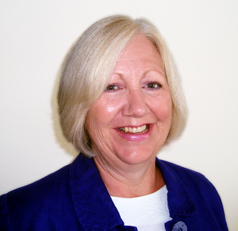
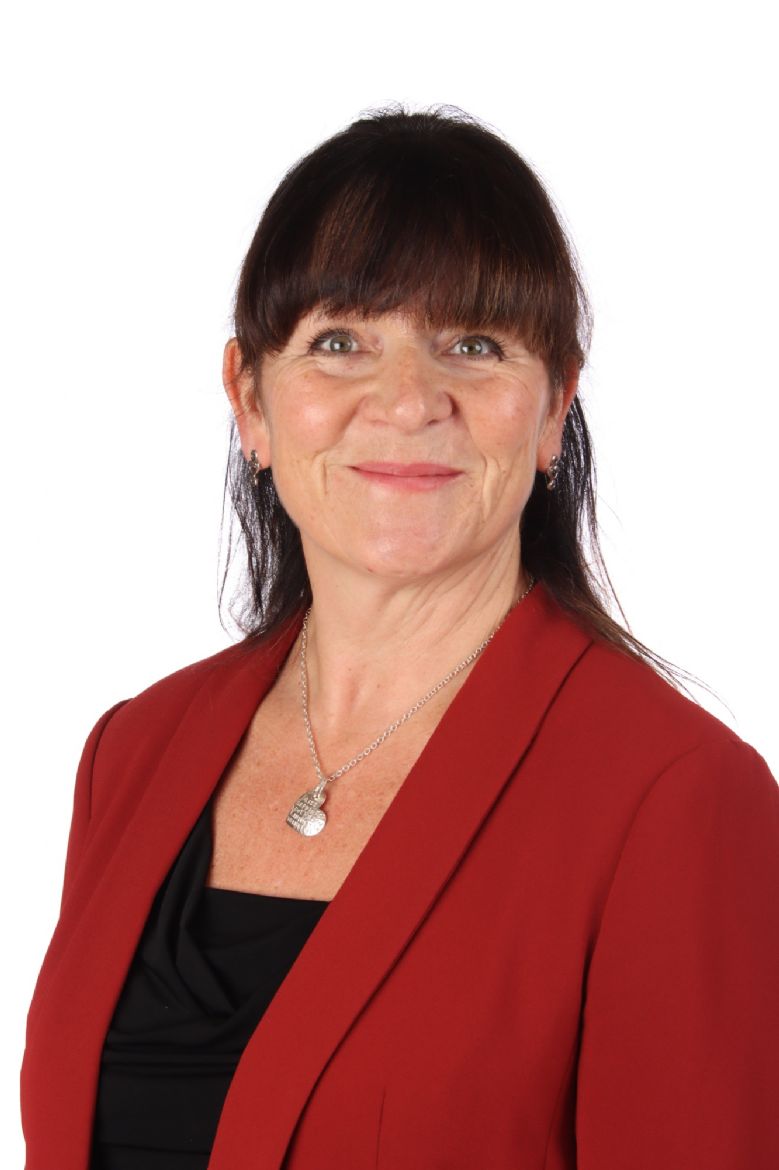
Governing Body
| Category | Governor |
Term Of Office Ends |
Position | |
|---|---|---|---|---|
|
Parent Governor
|
Mr Sale
|
23.05.2026
|
Chair of the Full Governing Body
Safeguarding Governor |
|
| Staff Governor | Mr M Hutchins | 17.04.2026 | Early Years and Attendance | |
| Local Authority Governor | Ms Stephens | 06.12.2026 |
Local Authority Governor | Vice-Chair Chair of Finance and Resources Committee |
|
| Headteacher | Mrs Skinner | Ongoing | Headteacher | |
| Governor | Mr Andrews | 07.10.25 | Governor | |
| Parent Governor | Mrs Augustin | 20.05.2025 |
Parent Governor |
|
| Parent Governor | Ms Allen | 20.05.2025 | Parent Governor | |
| Associate Member | Miss Fullagar | Ongoing | Deputy Headteacher for assessment and communication | |
| Associate Member | Mrs Pickard | Ongoing | Deputy Headteacher for Inclusion | |
| Co-opted Governor | Mr Izzard | 13.08.2026 | Governor |
Governors can be contacted via the clerk at clerk@brunswick-house.kent.sch.uk

| Governor | Area of Responsibility |
|---|---|
|
Mr Sale
|
Chair of the Full Governing Body Liam is a qualified accountant and has worked in Finance for over 20 years acquiring experience in different industries from house building, to pharmaceuticals. Liam has three children - Two of which are now in secondary education after attending Brunswick House, with his youngest still attending. When not spending time with his family, Liam can be found out running (currently in training for the London Marathon). |
|
Ms Stephens
|
Vice Chair and LA Governor Tracey is a qualified HR Consultant and have provided specialist HR advice to schools across Kent and Medway for some 15 years. She retired in May 2019 but still works on an ad-hoc basis for Cantium Business Solutions who provide HR, Finance and ICT services to Schools and Academies. Tracey joined the governing board in the summer of 2019 – having previously been a governor at her local school from 2009 to 2016 when she relinquished that role, due to balancing work/home commitments. She is the Local Authority nominated governor and is keen to offer her time, skills and impartiality (she lives outside the community) to Brunswick House Primary School. |
|
Mrs Skinner
|
Headteacher/Finance and Resources Committee Member Mrs Skinner has been a school leader in Kent for the past 23 years. She holds the NPQH qualification and has a degree in English literature and humanities. Brunswick House is Mrs Skinner's second headship. Mrs Skinner firmly believes that every child should experience success during their primary years. It is therefore essential that the school actively pursues the recruitment of high-quality staff and invests in their continuing development. Every child deserves a great teacher in every year of their primary journey, coupled with the support and challenge of high-performing support staff and leaders who never compromise their drive for continuing high standards and equality of opportunity. |
|
Mr Andrews
|
Governor Neal began his career as an actor, working across Theatre, TV and film. He fell into teaching back in 2009, working as a workshop leader for a London-based company called Bigfoot Ltd. This led to becoming the Co-founder and Principal of a stage school and an education company, West End Classrooms Ltd, from 2012-2020, whilst also working part-time across secondary schools in Kent and East London as a specialist performing arts teacher. Neal finally moved into full-time secondary teaching in 2017. In 2022, he was awarded a Master of Arts, with distinction, for Education with Leadership at Glyndwr University. Currently, Neal is Head of Drama, PSHE and EDI for Ashford School. |
|
Mr Izzard  |
Co-opted Governor Richard works on a variety of projects helping businesses and the local economy become more sustainable and environmentally friendly. It is a rewarding profession that helps the ever increasing battle with climate change. Previously, he worked as a Business Studies and Maths teacher in a secondary school and in various other education roles including outdoor education and teaching English as a foreign language. He holds a degree in Sports Studies and Business Management as well as a PGCE in secondary education.
Away from work and family, Richard is an avid golfer, footballer and supporter of Maidstone United and Arsenal. With one child at Brunswick, he has a keen interest in the success and welfare of the school, and would like to contribute towards its environmental sustainability, policies and education. |
|
Mrs Augustin
|
Parent Governor Mrs Augustin is a practising Family and Civil law barrister, based in chambers in the Southeast. Her daily interaction with the Family Court includes assisting families dealing with the breakdown of marriages and relationships, and consequential child arrangements, separation of assets and protective injunctions. This keeps the well-being of children, family life and a wholly healthy environment for the child at the forefront of her mind. Away from work, she enjoys spending time with family and gardening. |
|
Ms Allen
|
Parent Governor As a parent governor, I feel incredibly privileged to support our school and contribute to its continued success. With a professional background as an accountant, I bring a strong understanding of finance, attention to detail, and a strategic mindset to the governing body. I’m passionate about ensuring that resources are used effectively to benefit all pupils and help the school thrive. It’s an honour to work alongside such a dedicated team of staff and governors, and to represent the voice of parents in shaping the future of our school community. |